
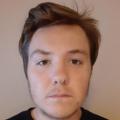


A TEENAGE girl from Anglesey who has lost two friends to suicide has said mental health services in North Wales are “overwhelmed” and “not good enough”.
Lucy Hughes, 17, from Llangefni, said her own experience of Children and Adolescent Mental Health Services (CAMHS) as a 12-year-old left her feeling “in limbo”.
Following the deaths of her friends in December and January, Lucy said the issues with mental health services “go beyond just long waiting lists”.
Betsi Cadwaladr University Health Board apologised to Lucy for the delays and the care she has received and said it is committed to making improvements in this regard.
'Not good enough'
Lucy said: “Having gone through my own mental health challenges and felt the grief of losing friends to suicide, it’s become clear that our mental health services for young people are not good enough.
“Our current services are clearly overwhelmed and are simply not ready to handle the scale and complexity of today’s needs.
“My first experience of CAMHS was at age 12. I self-harmed and suffered from depression and anxiety, but it felt like I’d have to end up in hospital before anything was taken seriously.
“After being discharged from Ysbyty Glan Clwyd’s children’s ward, I was waiting in limbo for a practitioner for about three months. There were appointments with Glan Clwyd’s crisis team in-between then, but they were inconsistent, which wasn’t helpful.
“There needs more said about how the services are leaving young people to fester, to the point where they end up in hospital, or worse.
“Waiting times are the biggest problems, but that’s down to funding. More money should be put into CAMHS.”
Read more
In January, the Chronicle reported there were seven under-18s on Anglesey who had been referred to CAMHS, but are awaiting a first appointment, and four waiting for a follow-up appointment.
The longest wait for a follow-up CAMHS appointment on Anglesey at that time was nine weeks.
Welsh Government expenditure reports show that while mental health support receives a significant portion of the NHS budget, funding specifically for CAMHS represents a small fraction of that total.
'Shocking'
Lucy labelled this “shocking,” and said it “shows an approach that clearly focuses more on reacting to problems once they have reached a crisis point”.
She added: “We often rightly state that mental health is as important as physical health, yet our physical actions and the way we allocate resources, tell a very different story.
“If a child broke a bone, we would never, under any circumstance, accept a six-month waiting list for a cast or essential medical attention.
“But for mental health, which can be just as damaging, debilitating and life-threatening, if not more so, we seem to accept these delays and under-investment as unavoidable.”
MORE NEWS:
-
'Where does the council tax money go?' Gwynedd Council approves 5.17% increase
-
Holyhead transport company in administration ordered to pay 80 employees
-
Gwynedd and Chester car thieves' sentences delayed for a month
Lucy said she also had to wait four years for a neurodiversity assessment – the results of which were inconclusive – after an initial referral was made when she was 11.
She also highlighted the transition from child to adult mental health services, which she said is often “poorly planned” and leaves young people turning 18 feeling “abandoned” and “unsupported”.
In response, Tehmeena Ajmal, chief operating officer at Betsi Cadwaladr University Health Board, said: “We apologise to Ms Hughes for the delay she has experienced in accessing our CAMHS, and her ongoing care.
“Over the last 12 months, we have been implementing new ways of working to significantly reduce both waiting lists and waiting times for mental health assessments and the start of treatment.
“This improvement has been achieved through a number of targeted actions and the implementation of group-based interventions.
“This work is ongoing across the region as we continue to focus on improving timely access to mental health support for children and young people.
“The number of requests for neurodevelopmental assessments have increased. While the awareness around children’s neurodiversity is to be welcomed, it is a challenge to meet demand for requested assessments.”
National concern
Ms Ajmal said this is an issue which is not exclusive to North Wales, and is “of national concern” and a “key priority”.
She said families can access a wide range of information on the neurodevelopmental service pages on the health board’s website, including advice on strategies for supporting youngsters with neurodevelopmental issues, links to organisations which can offer advice and support, and answers to frequently asked questions about services.
“We are confident the wait times will reduce,” Ms Ajmal said.
“We understand those waits are still longer than parents or young people would wish for, and we share those concerns.”
Earlier intervention
A Welsh Government spokesperson added: “We are taking a cross-Government approach to mental health and wellbeing, focusing on prevention and earlier intervention.
“The vast majority of young people referred to local primary mental health services are seen within 28 days.
“Our 10-year mental health and wellbeing strategy sets out our ambition for open-access and same-day mental health support, backed by an investment of £13million each year in a whole school approach to transform how young people access the help they need.
“In February 2025, we committed an additional £13.7m to extend the Neurodivergence Improvement Programme to March 2027, of which £5.6m has been targeted at eliminating three year waits for children’s neurodevelopment assessments by March 2026.”

Share